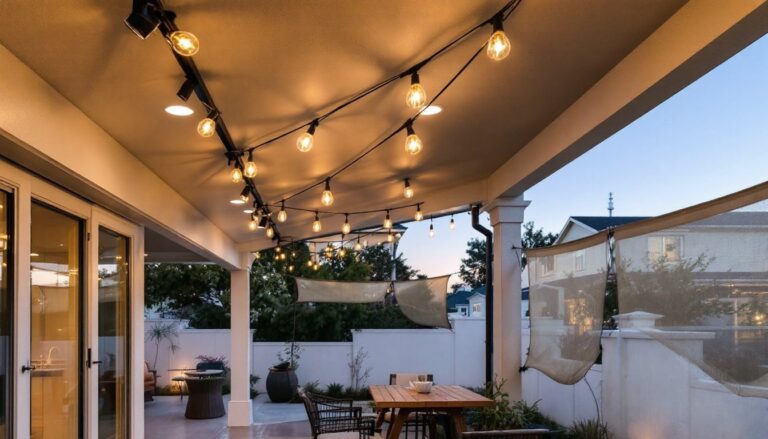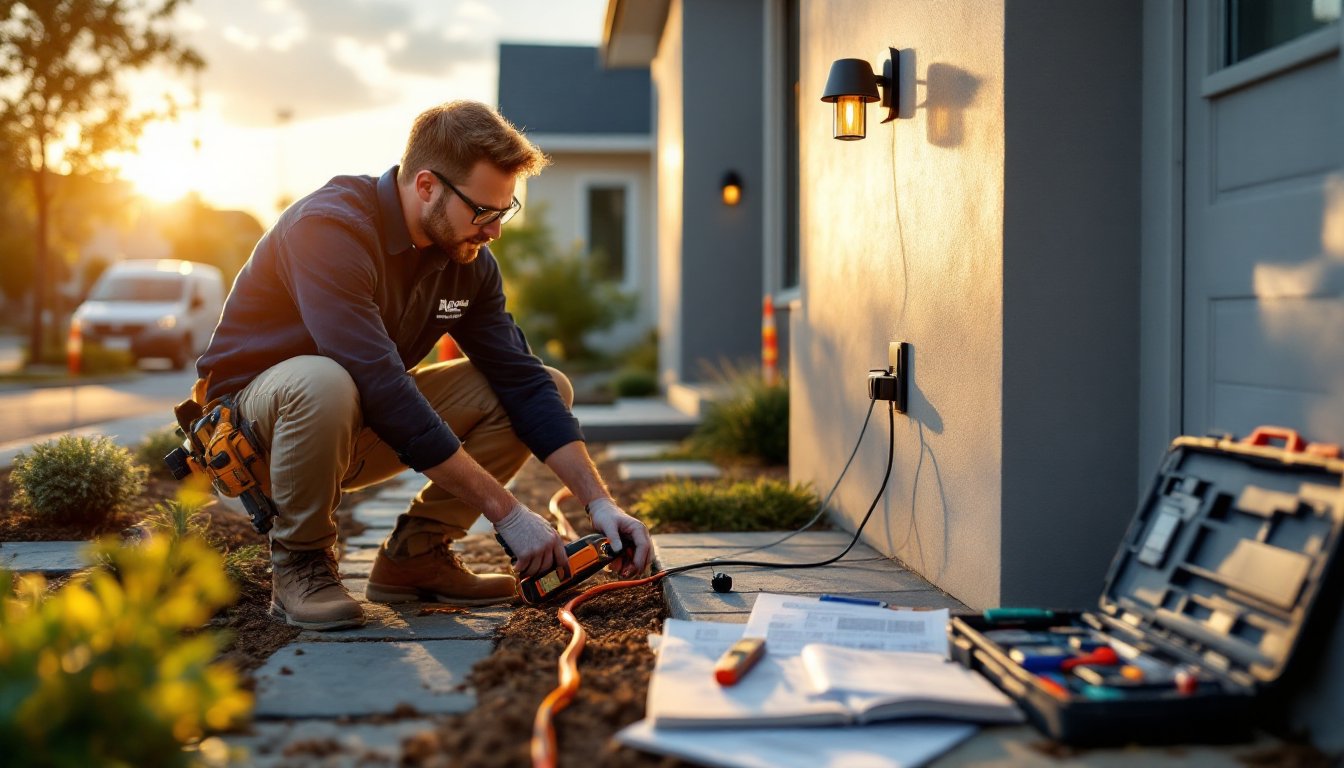
Adding outdoor lighting transforms your home’s curb appeal, security, and usability long after sunset. But unlike painting a fence or building a raised bed, outdoor lighting involves electricity, and that’s where a professional electrician becomes essential. Hiring the right electrician for outdoor lighting installations ensures your system is safe, code-compliant, and built to last through seasons of weather. This guide walks you through what to expect, how to evaluate electricians, and what options you’ll want to discuss before breaking ground on your project.
Table of Contents
ToggleKey Takeaways
- Hiring a professional electrician to install outdoor lighting ensures your system meets National Electrical Code standards, incorporates proper grounding and GFCI protection, and is built to withstand weather exposure and water damage.
- Verify your electrician’s credentials by checking their Master or Licensed Electrician status through your state’s licensing board, and prioritize candidates with specific outdoor lighting experience and a portfolio of similar projects.
- Outdoor lighting costs range from $500–$1,500 for simple hardwired setups to over $5,000 for full-yard designs with trenching and smart controls; always get at least three itemized quotes that include labor, materials, and permits.
- Choose between hardwired 120V systems for permanent installations, low-voltage 12V/24V systems for easier modification, or smart outdoor lighting solutions based on your electrical capacity, budget, and long-term flexibility needs.
- Before installation, mark trenching routes, call a utility locating service to avoid underground gas or water lines, finalize your fixture design, and ensure the electrician has clear access to your electrical panel to prevent costly rework.
Why Professional Installation Matters for Outdoor Lighting
Outdoor lighting isn’t just about aesthetics, it involves running electrical circuits outside where water, UV exposure, and temperature swings can wreak havoc on an amateur installation. A licensed electrician knows how to size wire correctly, select waterproof components rated for exterior use (often UL-listed for wet locations), and pull proper permits if your local code requires them.
Damp or wet outdoor environments demand careful attention to grounding, GFCI (ground fault circuit interrupter) protection, and conduit selection. An electrician will ensure everything meets the National Electrical Code (NEC) standards, which vary by jurisdiction but universally prioritize safety. They’ll also handle load calculations, making sure your panel can handle new circuits without overload, and burial depth if running lines underground.
Beyond safety, a professional installation protects your investment. Improper wiring can degrade quickly, tripping breakers, dimming lights, or creating fire hazards. A licensed electrician backs their work and carries liability insurance, giving you recourse if something goes wrong after installation. That peace of mind is worth the cost.
What to Look for in an Outdoor Lighting Electrician
Not all electricians specialize in outdoor lighting. When vetting candidates, prioritize those with outdoor or landscape lighting experience, not just residential general contractors.
Licensing and Certifications
Your electrician must hold a current Master Electrician or Licensed Electrician credential in your state. Verify this through your state’s licensing board (usually accessible online) rather than taking their word for it. Licensed electricians carry workers’ comp and liability insurance, both essential if something goes wrong on your property.
Beyond the license, ask if they’re certified for outdoor or low-voltage landscape lighting. Some electricians pursue additional certifications in LED systems or smart home integration, which is helpful if you’re planning those features. Request references specifically from outdoor lighting projects, not just indoor work, the skillset differs considerably.
Experience and Portfolio Review
Ask for a portfolio of previous outdoor lighting installations. Look for variety: do they handle simple path lighting, or have they tackled complex ambient, accent, and task lighting designs? Photos should show finished work in different yard types, sloped terrain, tight spaces, open yards, since installation constraints vary widely.
During the consultation, a good electrician will ask clarifying questions about your site. Do you have slopes that require trench management? Are there irrigation lines or gas lines to navigate around? Will you need weatherproof outlets for future flexibility? Their questions signal they’re thinking through real-world challenges, not just running wire from point A to B.
Cost Expectations and Getting Quotes
Outdoor lighting installation costs vary dramatically by scope, location, and material choices. A simple hardwired setup for a front entryway might run $500–$1,500, while a full-yard design with trenching, multiple circuits, and smart controls can exceed $5,000. Low-voltage landscape lighting systems (12V or 24V, often LED) are cheaper upfront than 120V hardwired options but may need replacement sooner.
When requesting quotes, ask for itemized breakdowns: labor, materials, permits, and any site preparation costs. Permits typically add $100–$300 to the total but are non-negotiable for structural or panel work. Get at least three quotes so you can compare pricing and scope.
Be wary of quotes that seem too low, electricians undercutting by 30% often cut corners on materials or skip permits. Conversely, the highest quote isn’t always the best: you’re paying for experience and reputation, not overkill. Ask what’s included: does the quote cover fixture selection, design consultation, and post-installation troubleshooting? A consultation visit often costs nothing or a small fee, refundable if you hire them.
Popular Outdoor Lighting Options to Discuss With Your Electrician
Your electrician should guide you through system options, but here are the main types to consider:
Hardwired 120V Systems. Standard household voltage, wired directly from your home’s electrical panel or a dedicated outlet. Reliable and bright, but requires trenching and permits. Best for permanent installations in visible areas like patios or driveways.
Low-Voltage 12V or 24V Systems. These use a transformer to step down household current. Safer and easier to modify than 120V, with minimal trenching. Popular for path lights, uplighting, and decorative accent lighting. Downside: fixtures are smaller and less intense, and the transformer itself needs a dedicated outlet.
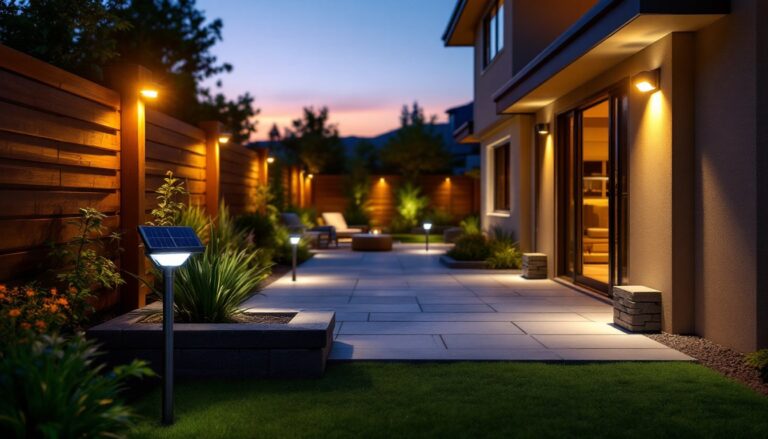
Solar Lights. Battery-powered and wireless, no electrician needed, but they’re cosmetic only and less reliable in cloudy climates or heavy shade. Not suitable for security lighting that needs consistent output.
Smart Outdoor Lighting. LED fixtures controlled via app or voice command, with dimming and color-changing options. Requires hardwiring or low-voltage infrastructure plus a hub: costs more upfront but offers flexibility. Ask your electrician if they’ve integrated smart systems and what brands they recommend, Lutron, Philips Hue, and Kasa are common choices, though compatibility varies.
Discuss which combination fits your needs, budget, and long-term vision. How to Choose Outdoor Lighting Fixtures for Your Home provides deeper guidance on design, but your electrician will clarify what’s feasible given your home’s electrical capacity and local code.
Preparing Your Home for Professional Installation
Before the electrician arrives, handle a few logistics to keep the project on track.
Clear access. Mark the planned route for trenching or surface conduit. Remove obstacles, irrigation lines, or garden beds in the way. If underground utilities (gas, water, sewer, fiber) run through your yard, contact a utility locating service (often free) so the electrician can avoid them. Many states mandate this before digging: check your local requirements.
Finalize your design. Decide on fixture placement, types, and quantity before the electrician begins. Last-minute changes mid-project mean extra labor and material costs. Sketch your plan or take photos with notes: it saves back-and-forth discussions.
Confirm permit requirements. Your electrician typically handles permits, but confirm this upfront. Some municipalities require homeowner sign-off or inspections mid-project. Knowing the timeline prevents surprises.
Arrange access to your panel. The electrician needs unrestricted access to your home’s electrical panel, usually in the garage, basement, or exterior wall. Clear the area and make sure they can safely work there.
Planning ahead keeps the job moving smoothly and prevents costly rework. Platforms like Angi and HomeAdvisor list vetted local electricians with reviews and job details, so you can browse options before making calls. Houzz is also useful for viewing outdoor lighting designs and connecting with pros in your area.