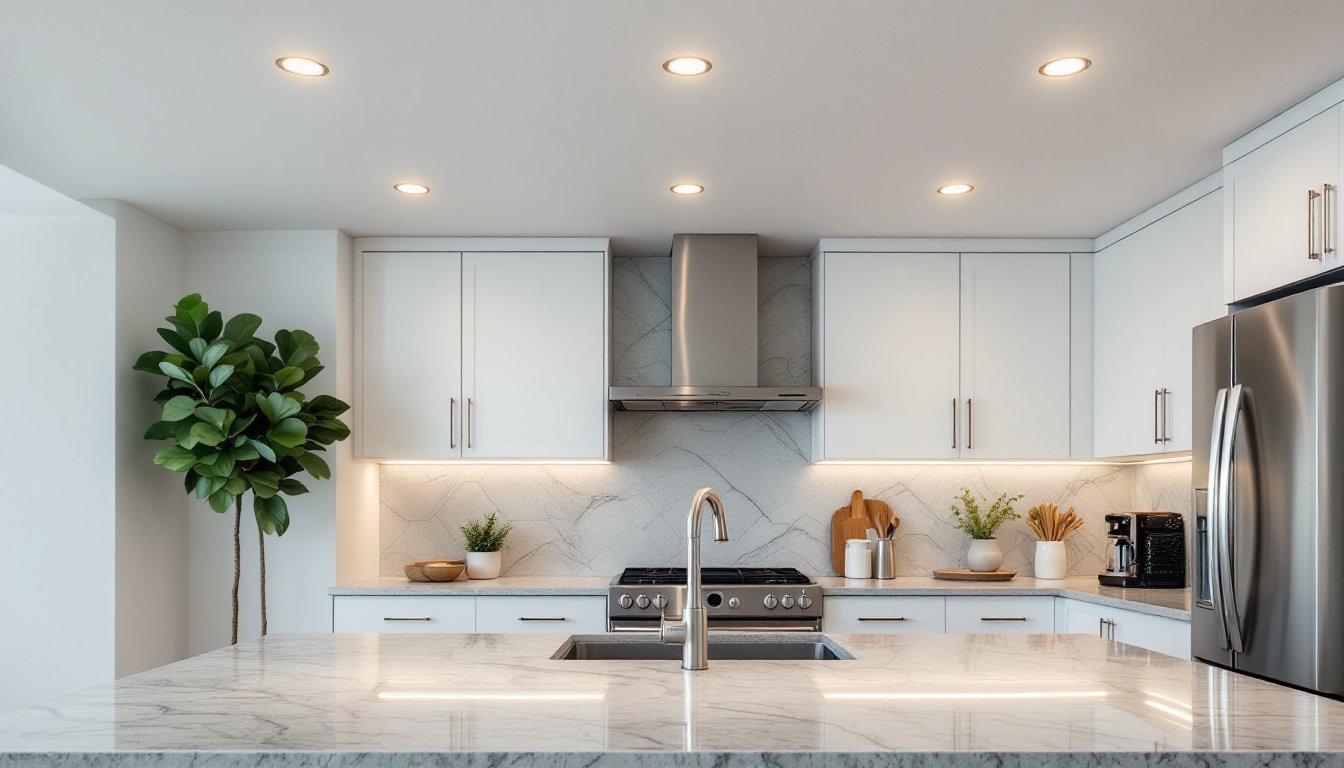
Recessed lighting has become a go-to solution for homeowners who want clean, modern aesthetics without visible fixtures cluttering the ceiling. Also called can lights or downlights, these fixtures sit flush within the ceiling, creating sleek sightlines that work in everything from kitchens to living rooms. If you’re considering recessed lighting for your home, you’ve picked a smart upgrade, one that balances style, function, and energy efficiency. This guide walks you through what recessed lights are, why they matter, how to choose the right ones, and what DIYers should know before installation.
Table of Contents
ToggleKey Takeaways
- Recessed lighting provides a clean, modern aesthetic by installing flush within the ceiling, making rooms feel more spacious and refined while eliminating visual clutter from traditional fixtures.
- Modern LED recessed lights consume roughly 75% less energy than incandescent bulbs and last 25,000 to 50,000 hours, allowing homeowners to recoup installation costs through significantly lower electricity bills.
- Proper fixture selection requires matching color temperature to room function—3000–4000K for kitchens and task areas, 2700K for bedrooms and living rooms, and 4000K for bathrooms.
- DIY installation is straightforward in new construction before drywall, but retrofitting into existing ceilings with blown-in insulation often requires hiring a licensed electrician, typically costing $150 to $300 per fixture.
- IC-rated recessed light housings are essential if your attic has insulation, as they safely disperse heat and prevent fire hazards where standard non-IC housings would be unsafe.
- LED recessed lighting requires minimal maintenance beyond annual dust removal and ensuring dimmers are LED-compatible, with proper ventilation preventing heat buildup that shortens bulb life.
What Is Recessed Lighting and Why Homeowners Love It
Recessed lighting consists of a housing unit installed inside the ceiling cavity, with a trim ring and bulb that sit flush or slightly recessed below the ceiling surface. The housing (or can) holds the light socket and connects to your electrical wiring, while trim rings come in various styles, baffle, gimbal, eyeball, and open, each with different purposes and aesthetics.
Homeowners love recessed lights because they eliminate the visual bulk of pendant fixtures or traditional ceiling mounts. Instead of a chandelier or flush-mount taking up visual real estate, recessed lights distribute light evenly and disappear into the ceiling. They’re especially popular in modern, minimalist, and contemporary home designs. The fixtures also offer flexibility: you can space them in grids for even illumination, cluster them for accent lighting, or install dimmers to adjust mood and energy use throughout the day.
One important note: recessed lighting isn’t always a DIY-friendly retrofit in existing ceilings. If your home has blown-in insulation, limited attic access, or joists that won’t accommodate standard housings, you may need to hire a licensed electrician. Rough-in before drywall installation is much simpler. Always check local building codes, your jurisdiction may require permits for new electrical circuits.
Key Benefits of Recessed Lights in Modern Homes
Aesthetic Appeal and Space-Saving Design
Recessed fixtures create an uncluttered ceiling that makes rooms feel more spacious and refined. Because the light source is hidden, your eye focuses on the room itself, not the fixture. This is especially valuable in kitchens with lower ceilings or bedrooms where you want calm, ambient light. The trim options let you customize the look, brushed nickel for contemporary spaces, brass for mid-century vibes, or simple white trim that vanishes against the ceiling.
From a design standpoint, recessed lighting also plays well with other elements. They won’t interfere with crown molding, skylights, or open ceiling designs. Gimbal and eyeball trims allow you to angle light toward artwork, countertops, or architectural features, adding depth and drama without visible fixtures.
Energy Efficiency and Cost Savings
Modern recessed lights paired with LED bulbs are significantly more efficient than older incandescent fixtures. A 15-watt LED recessed light produces comparable brightness to a 60-watt incandescent, cutting energy use by roughly 75%. Over the lifespan of the bulbs, LEDs last 25,000 to 50,000 hours, you’ll recoup installation costs through lower electricity bills.
Dimmers add another layer of savings. Dimming LEDs reduces power draw and extends bulb life. Combined with programmable thermostats and insulation upgrades, recessed lighting becomes part of an efficient home ecosystem. Cost-wise, recessed light kits at home improvement stores range from $15 to $80 per fixture, depending on trim style and LED quality. A typical kitchen might need 6 to 8 fixtures, so budget accordingly and account for electrician labor if you’re not installing them yourself.
Choosing the Right Recessed Lighting for Your Room
Start by determining your room’s function and existing light sources. A kitchen needs brighter, more direct light (3000–4000K color temperature, measured in Kelvin) for task work on countertops. A bedroom or living room benefits from warmer, dimmer light (2700K) that feels inviting. Bathrooms typically work well with 4000K neutral white light that flatters skin tone and aids grooming.
Next, measure your ceiling height and joist spacing. Standard recessed housings fit between joists spaced 16 inches on-center (the industry standard). If your joists are 24 inches apart or closer, you’ll need specialty housings. Ceiling height matters too, higher ceilings (9+ feet) can handle larger spacing between fixtures (4 to 6 feet), while lower ceilings (8 feet or less) need closer spacing (2.5 to 4 feet) to avoid dark spots.
Choose between IC-rated and non-IC housings. IC-rated housings can touch insulation directly and disperse heat safely: non-IC housings must have air space around them. If your attic has insulation, IC-rated is essential. Trim selection depends on your design goal: baffle trims hide the bulb and reduce glare, gimbal trims angle the light, eyeball trims swivel, and open trims maximize brightness. For task areas like kitchens, baffle or open trims work well. For accent or ambient lighting, gimbal or eyeball trims offer control. When sourcing products, kitchen lighting Home Depot options include recessed fixtures alongside other styles, giving you a chance to compare before committing.
Installation Basics: DIY-Friendly Tips for Homeowners
Before You Start
Materials and Tools You’ll Need:
- Recessed light housings and trim rings
- LED bulbs (appropriate for your chosen fixtures)
- Electrical wire (typically 14 or 12 AWG, depending on circuit breaker)
- Wire connectors and electrical boxes
- Drywall saw or hole saw (4 to 6 inches, depending on fixture diameter)
- Flashlight or work light
- Voltage tester
- Safety gear: eye protection, work gloves, and a dust mask (drywall and insulation create fine particles)
Installation Steps
If you’re working in new construction before drywall, the process is straightforward. Locate joists using a stud finder, mark housing centers (typically 4 to 6 feet apart), and secure housings between joists using nail flanges. Run electrical wire through the attic or wall cavity to each housing, connect to a switch circuit, and test before drywall goes up. This is genuinely DIY-friendly if you’re comfortable with basic wiring.
Retrofitting into an existing ceiling is more involved. You’ll cut openings from below using a drywall saw, thread wire up through the hole, and wrestle the housing into the ceiling cavity from below, often awkward and messy. Blown-in insulation makes this harder. Many homeowners hire a licensed electrician for retrofits, which typically costs $150 to $300 per fixture installed (labor and materials combined, regional variation applies).
Critical Safety Points:
- Always turn off power at the breaker before working with electrical wires.
- Use a voltage tester to confirm the circuit is dead, even after shutting off the breaker.
- If you’re adding a new circuit, this likely requires a permit and professional inspection in most jurisdictions.
- Never overcrowd wiring in junction boxes or bypass fire ratings on housings.
For detailed installation guidance, This Old House and Family Handyman both offer step-by-step video tutorials. Resources like Bob Vila’s recessed lighting considerations outline planning essentials and common pitfalls. Also, ceiling lighting for home offices shows how strategic placement transforms workspace productivity.
Maintenance and Long-Term Care
LED recessed lights require minimal upkeep compared to older incandescent fixtures. LEDs rarely burn out, and their long lifespan (25,000+ hours) means you won’t be climbing ladders to replace bulbs often. When you do swap a bulb, ensure you’re buying the correct base type (E26 standard, GU10, or others, depending on your fixture) and wattage equivalent (often listed as lumens, the actual brightness measure).
Dust and debris accumulate in trim rings, especially in kitchens and workshops. Use a dry cloth or soft brush to clean trim rings annually. Avoid harsh chemicals that might damage finishes. If you’ve installed dimmers, confirm they’re LED-compatible: older dimmer switches sometimes flicker with certain LED bulbs. Newer LED dimmers are specifically engineered to work smoothly and cost $15 to $40.
Heat buildup can shorten bulb life, so ensure housings have adequate ventilation, especially IC-rated models in insulated attics. If a fixture regularly runs too hot, check that insulation isn’t blocking air gaps around the housing. For recessed lighting in kitchens or baths, which produce moisture, verify your housings are rated for damp or wet locations: standard fixtures in humid areas corrode faster. A simple annual visual inspection, checking for dust, corrosion, or loose trim, keeps your recessed lighting performing reliably for decades.